

The Malawian healthcare system faces severe structural and operational challenges. One of the main problems is that a significant number of people live more than 5km away from their nearest healthcare facility making accessing medical care difficult. Another issue is the shortage of skilled healthcare professionals, particularly in rural areas, which is compounded by a lack of equipment and medicines. Malawi’s health sector relies heavily on donor funding alongside government investment, meaning funding can be unpredictable and unsustainable. We have been engaged with projects focussed on strengthening healthcare provision and training, particularly in rural areas, as well as promoting health education.
Alongside healthcare, NWT is invested in promoting and funding community initiatives which empower members of local communities to support each other. This may be through education, feeding initiatives, support groups and a variety of other activities that raise morale and improve the wellbeing of communities.
Buildings
Ndi Moyo
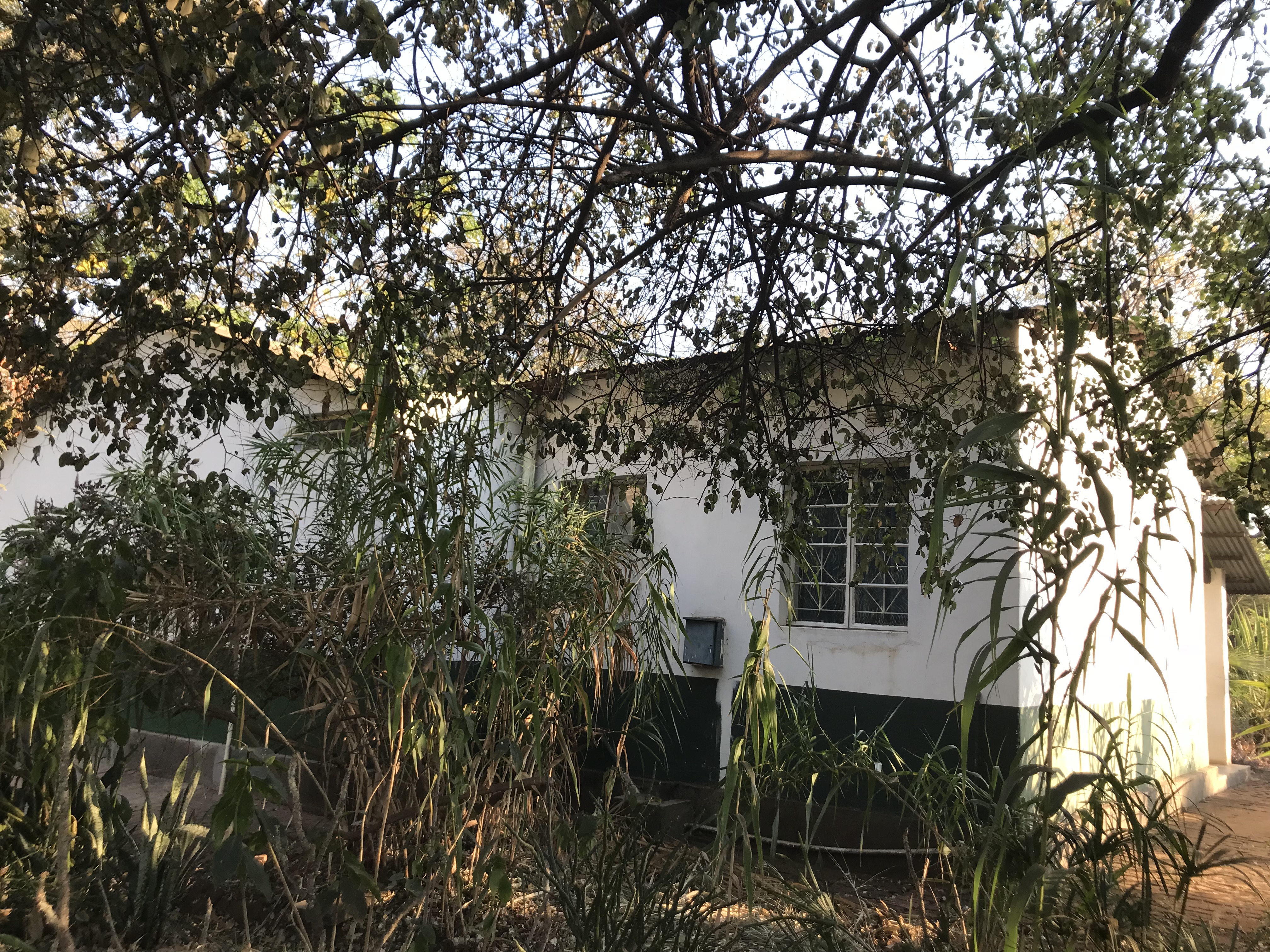 We helped the Malawian charity, Ndi Moyo to establish the first palliative care centre in Malawi. The centre provides desperately needed care for terminally ill people in Salima and the surrounding villages. Ndi Moyo is used as a model for new clinics and trains nurses from other areas of Malawi in palliative care. We purchased and renovated a property next door to the clinic which provides accommodation for trainees and volunteers, and originally contained the clinic’s office. Our surrounding land has been used to provide a training centre and a model garden in which patients and their families learn how to cultivate medicinally useful crops.
Tidzuke Orphan Care
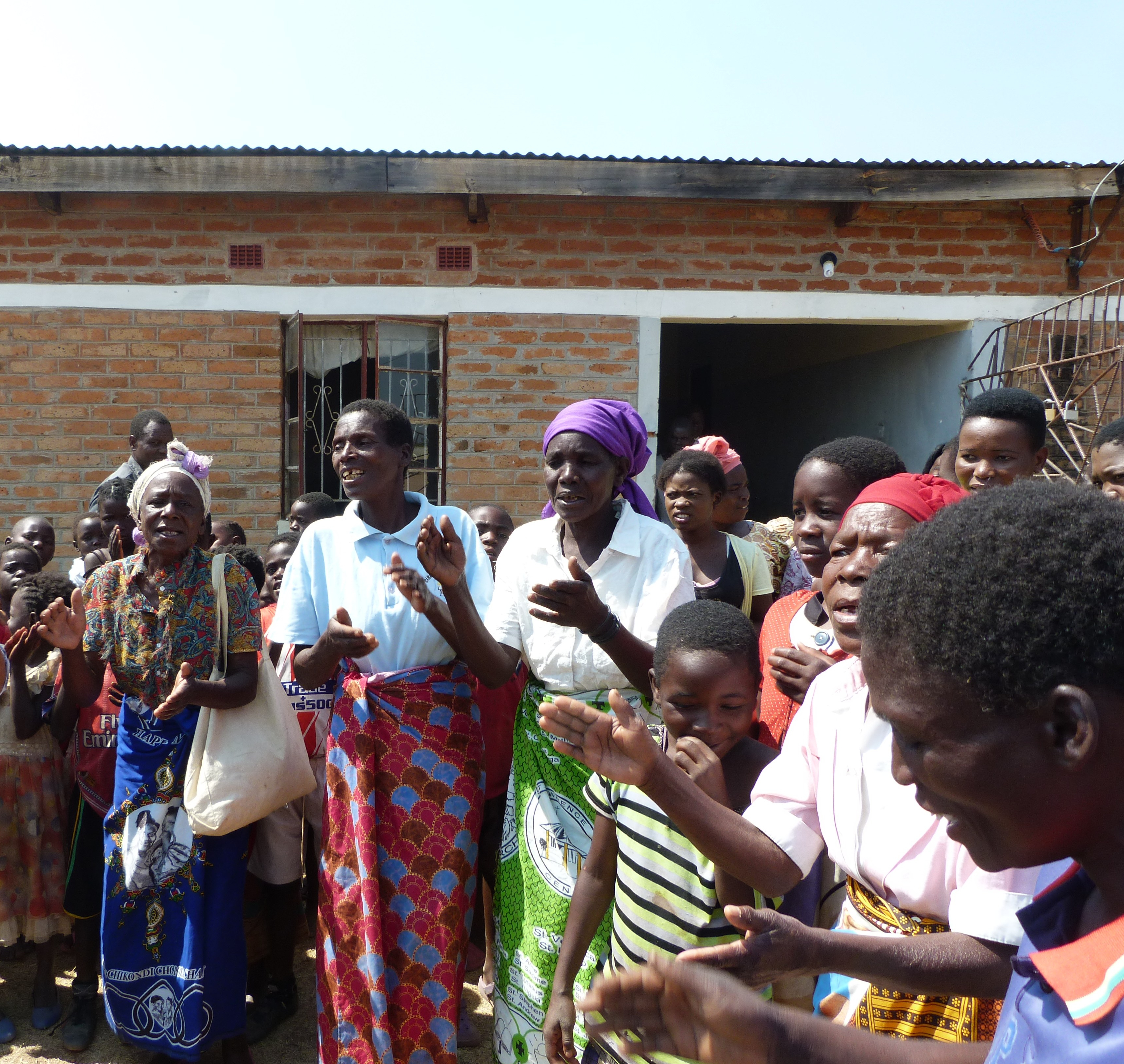 We funded the building of a centre, incorporating kitchen and toilet facilities, for the Tidzuke Orphan Care project in Kochilira village, Mchinji District. This building is central to the life of the village and many surrounding villages. It runs an orphan feeding centre which serves 4000 dinners to vulnerable children per month. In addition, it provides a support group for people with HIV/AIDS, a nursery school, a library, a women’s support group, a girls club (which includes a young women’s football team) which helps to raise aspiration for girls beyond early marriage. It also houses the Vocational Skills Centre mentioned on the Education page.
This is the same village in which we have supported both the primary and secondary schools through our school building projects. One very pleasing result is the co-operation between the school and the orphan care centre, for example the secondary school use the community building for their public exams, which previously took place under trees, and students use the library to do their homework.
Equipment
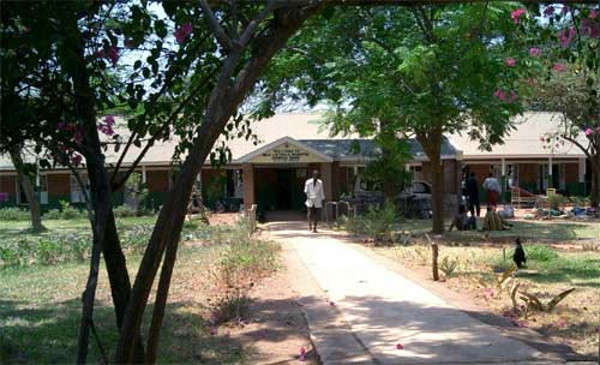
We have bought crucial medical equipment and a library of medical books for the small rural hospital at Mua. We purchased an oxygen concentrator, a patient monitor, and two pulse-oxymeters which bring a major improvement to the medical care that this hospital can offer. The library has made a major difference to the ongoing training of medical staff at all levels. We also funded the re-equipping of a vehicle used by the hospital as an ambulance and as transport for their health education youth outreach project.
Health Education
We helped to fund the award-winning film Mawa Langa (My Tomorrow), made by Purple Fields Productions. Malawian primary school children star in this Chichewa-language drama dealing with common issues relating to HIV & AIDS. If children can be taught how to protect themselves against HIV before they reach puberty, the result could be a dramatic reduction in the prevalence of the disease.
The film was made in 2010 and has since been shown to audiences across Malawi at open-air screenings and on national television. Copies have been distributed to other charities in the country, accompanied by a users’ leaflet and suggestions for discussion topics and follow-up activities. Screening and distribution of the film are handled by Temwa and Yoneco.
 The Nick Webber Trust