

Malawi’s education system faces deep structural issues that perpetuate low literacy rates and high levels of school dropouts. Only 35% of children complete primary school, and by secondary school enrolment drops to 25%. Although primary education is free, costs such as uniforms and books can be prohibitive. Secondary schools charge tuition fees which many families simply can’t afford.
As well as the cost of education, there are issues around accessibility. 60% of rural students have to walk over 5km to school, girls are particularly affected by this due to concerns around safety. Girls also miss significant amounts of education due to an inability to afford sanitary products.
Malawi has a severe shortage of classrooms in both primary and secondary schools which leads to overcrowding and poor learning conditions. It shortens teaching hours per student and exacerbates high dropout rates, particularly for girls, due to lack of privacy and safety.
Beyond academic education, Malawi faces significant challenges in bridging the gaps between school, vocational training and job opportunities.
NWT has supported a number of projects aimed at addressing these problems.
School Support
NWT Bursary Scheme, Usisya, Nkhata Bay North
Every year we fund a school bursary scheme in partnership with UK-based charity, Temwa. Our bursary, running since 2008, currently supports 24 students who have been identified by Temwa staff as coming from particularly disadvantaged households, and who have shown a strong capacity for academic learning despite their circumstances. NWT pays the students’ school fees as well as necessities such as school uniform and book bag, writing materials, a solar-powered light to help them do their homework, a water-filter to reduce sickness and related absences, and menstrual kits for the young women. The students have usually lost one or both parents, are from particularly low-income households, or have a disability within the family.
Usisya is a very remote area on the edge of Lake Malawi and receives little government help.
Tikondane Centre for Street Children, Lilongwe
Since 2007 we have been working with Tikondane, based in Malawi’s capital, Lilongwe. Tikondane is a transit shelter, which provides shelter, meals, counselling, and support to children who have been living on the streets. Tikondane’s social workers try to reunite the children with their extended families or their home village. For the children who cannot be safely returned to their family or village, NWT funds places at state boarding schools (both primary and secondary), so they have a safe place to be as well as the chance of an education. We currently support 44 students in school or tertiary education. We have recently been asked by Tikondane to extend our school support to a number of female students whose previous support has dried up. We look forward to doing this from the academic year 2025/26.
Despite the emotional trauma these children have suffered, over 90% of the children we have supported progress to the next year or successfully complete their school leaving certificate, which is higher than the national average. So far four have also won places at University, one of whom achieved a first-class degree.
During Covid we paid for facemasks and hand gel so that Tikondane’s social workers could continue to support homeless children, many of whom returned to the street when the schools were shut down, where of course they were at a hugely increased risk of infection.
We are committed to providing this support through both Temwa and Tikondane until at least 2026.
School Building
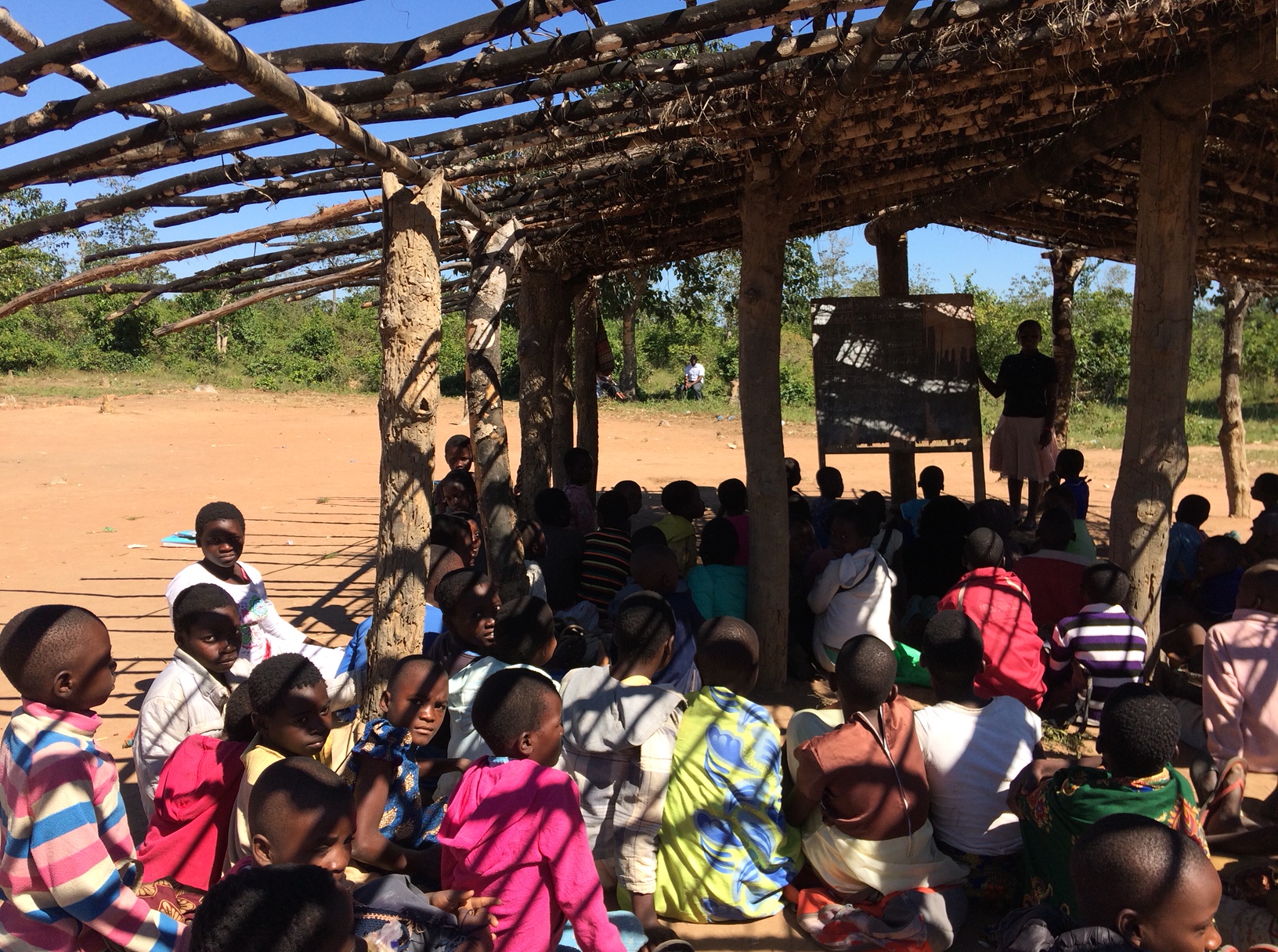
Many schools lack a sufficient number of permanent classrooms and are forced to teach children under trees or in mud huts which are vulnerable to damage during the rainy season. As well as causing extended periods of disrupted teaching, lack of classrooms and desks is a major reason adolescent girls miss school.
To date, NWT has funded 20 brick-built classrooms in five rural primary schools, two girls’ hostels, and six brick-built facilities at a particularly remote secondary school. In all of these projects, the local community contributed by making the bricks themselves and providing labour.
Usisya Primary School, Nkhata Bay District
In 2008 we funded the construction of two classrooms at a primary school in Usisya, a remote district in the North of Malawi. This project was completed in partnership with Temwa, a UK based charity with whom we also run the NWT School Bursary Scheme.
Wozi Primary School, Nkhota-kota District
In 2009 NWT funded two classrooms at the village primary school which we were then able to furnish with 60 new double desks. Children are now able to stay in the village for one more year of their primary education instead of having to walk 15 kilometres down a main road to the next school
Kainsa Primary School, Mchinji District
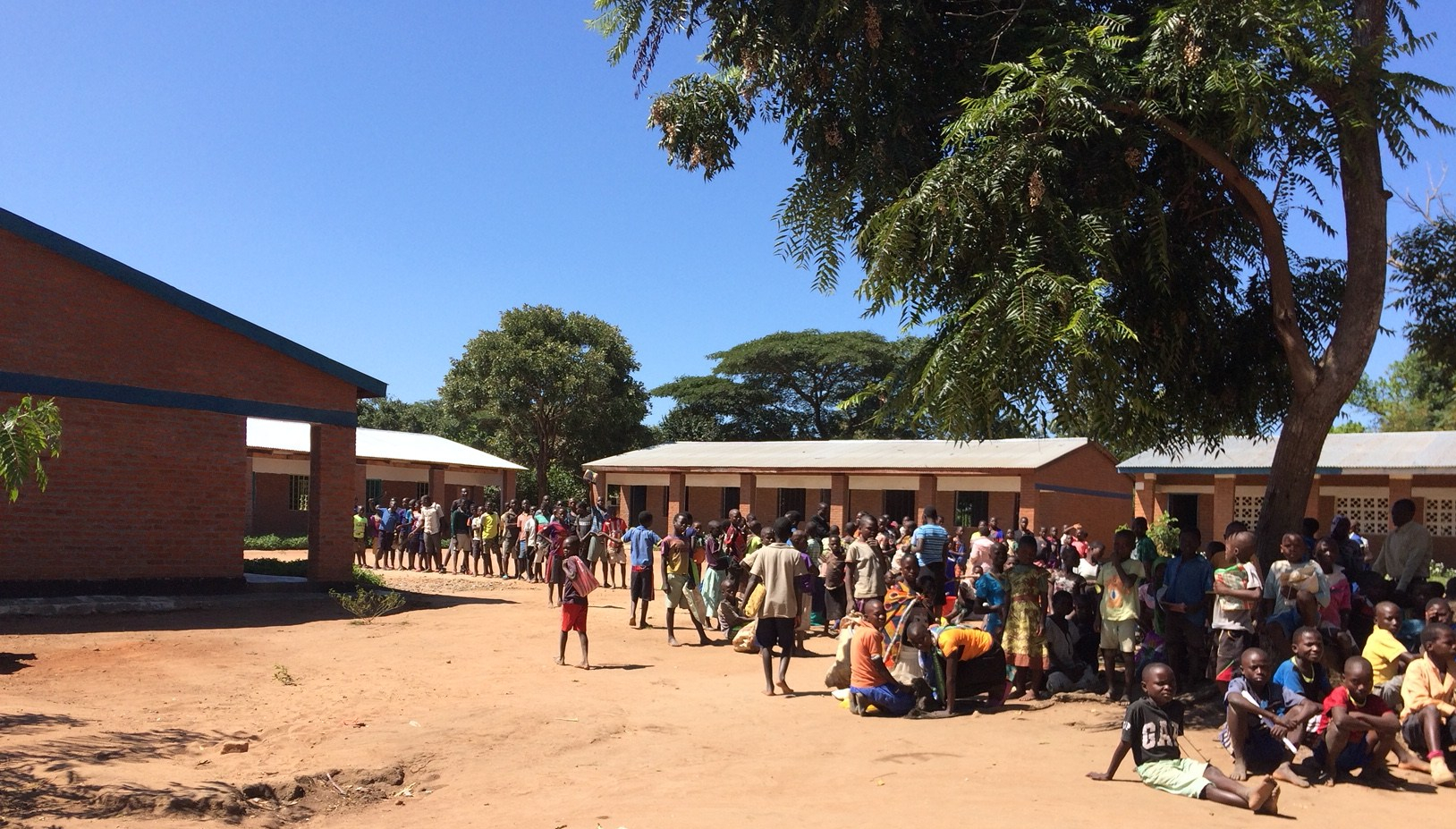
We built six classrooms at Kainsa Primary between 2014 and 2018. After funding the construction of the first four, we agreed to complete a further block of two classrooms which the local community had started but were unable to complete from their own resources.
. With the completion of these classrooms, Kainsa became a full primary school for the first time, enabling pupils can attend for the full eight years of primary education. This is of special benefit to the girl pupils as they will not have to face a six-kilometre walk in both directions to the nearest primary school that teaches standards 7 and 8. In order to further encourage girl pupils to stay in school, we supplied desks for the top classes.
With the completion of these classrooms, Kainsa became a full primary school for the first time, enabling pupilsto attend for the full eight years of primary education. This is of special benefit to the girl pupils who more frequently stopped attending school rather than face a six-kilometre walk in both directions to the nearest primary school that teaches standards 7 and 8. In order to further encourage girl pupils to stay in school, we supplied desks for the top two years.
Kasakanya Primary School, Mchinji District
Kasakanya village is situated in a particularly deprived region of Malawi. In 2015-2016 we funded two brick-built classrooms and in 2017 we were able to fund a further two. Kasakanya had always been designated a full primary school (meaning it taught all eight years) but before our involvement there were only four permanent classrooms. This meant that many pupils effectively had part-time schooling.
We are delighted that now all classes are accommodated within brick-built classrooms. Again, to encourage the retention of the older girl pupils, we provided desks for the top classes. We also built a school office-cum-classroom to help the school run effectively.
Kochilara Primary School, Mchinji Disctrict
When Kochilira village school were first in touch with us, they were only able to provide schooling to pupils in the first two years of primary school in temporary shelters. Between 2014 – 2018, NWT provided funding for the construction of six brick-built classrooms, enabling them to educate schildren in all eight years of primary school. This prevents children from the village and surrounding area being faced with the choice of dropping out of primary school, or walking approximately 7 miles to the next nearest school.
In 2019 and 2020 we were able to provide a desk and seat for every pupil in the top two years. As well as creating a more conducive environment for learning for everyone, desks play a vital role in helping girls to attend school during their period.
Kochilira Community Day Secondary School, Mchinji District
This Community Day Secondary School is located in a very remote part of Malawi. Students travel long distances to attend which can be dangerous and off-putting to female students. In 2014 we were able to finance the construction of a hostel for female students, a facility which makes a significant contribution to the retention of girls at the school. We are delighted to report that within four years, female students outnumbered male students in the final two years, a reversal of the national trend. Senior staff attribute this to the safer atmosphere our buildings have created for young women. Students’ results in national exams continue to improve.
As well as the girls’ hostel, we have funded several other building projects at this school in a relationship that began in 2010. This has included the construction of a science lab, a computer lab, two further classrooms, and a teacher’s house which aids good-quality staff recruitment and retention.
In 2018, we were approached by the local chiefs and community leaders to fund the building of a second girls’ hostel on their nearby land. The second hostel was needed because many girls at the secondary school were renting somewhere to sleep in the local villages. Sadly, this was very often unsafe, and certainly not conducive to successful studies. We were pleased to fund a safe and affordable alternative for them, close to the Tidzuke Orphan Care Centre (built by NWT) so that their homework could be done in the library which has electric light. The hostel also has solar power, and a protective wall and gate.
Reusable sanitary packs for school pupils
Since 2021 we have funded the distribution of hundreds of reusable sanitary packs to female pupils in the schools and hostels we have supported, and have extended this offer to other schools in the area we work. Prior to this provision, girls usually did not attend school during their periods.
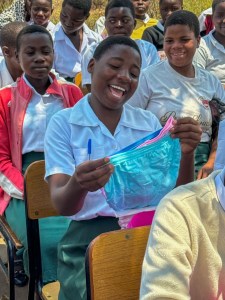 Headteachers of schools whose female students have received them, tell us how much attendance (and grades) have improved. And the young women who have received them tell us they are life-changing – “we are all once again taking part in sports”, “my grades are up because I’m no longer missing school”, and “I feel so much more confident now”. This simple gift is transforming lives.
Each kit includes 5 reusable sanitary pads, 4 bars of soap, a tub to wash them in, a sealable bag to store them in, and 3 pairs of underwear. We source these kits through Gracepads, a local Malawian charity that employs women to use recycled cloth to make the pads, and provides menstrual hygiene education as they dispense the kits.
We also provided menstrual health kits to many women and girls who lost their homes and belongings when Cyclone Freddy hit Malawi in 2023.
Vocational Skills Training
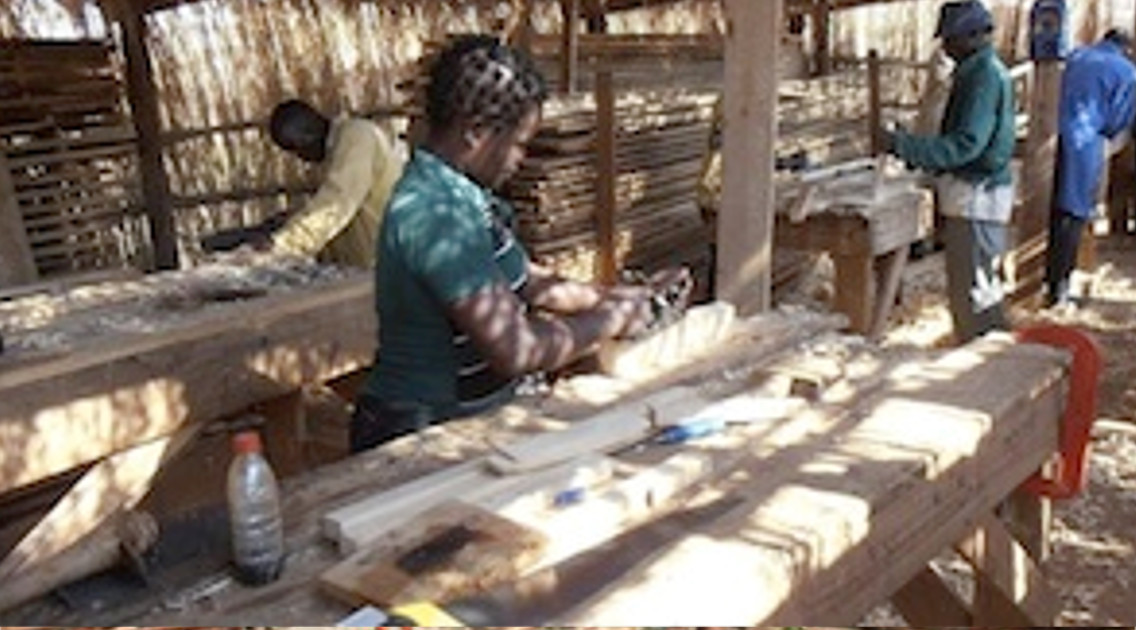
In 2013 we started working with Centre for Youth Development and Social Empowerment (“CYDSE”) to train unemployed young men and women in carpentry skills to City and Guilds level. CYDSE had previously trained 42 carpenters, all of whom had found paid employment as carpenters or in training others as part of the programme. Our first cohort of 24 carpenters, including three women, qualified in early 2014.
In 2016 we funded the construction of a Vocational Skills Training Centre to operate in conjunction with the Tidzuke Orphan Care Centre we built in 2011. This provides a training venue for unemployed school leavers in carpentry, welding, tailoring and tin-smithing. In the next few years, we funded two tailoring courses and two carpentry courses, each lasting six months, providing a future for previously unemployed school leavers.
 The Nick Webber Trust